How Can I Treat Cataracts?
- What is a cataract
?
- Is there more than one type of cataract?
- What causes a cataract to form?
- Can I treat cataracts myself or even prevent them?
- How is a cataract diagnosed?
- What are the treatments for cataracts?
The chances are high that you will experience cataracts sometime in your life.
Given that cataracts are a common condition related to getting older, an aging population ensures that more people will struggle with this type of eye disease.
You may be wondering how cataracts form and, especially since it seems inevitable you may have them someday, if you can prevent or treat cataracts yourself. Let’s explore the medical condition known as cataracts to prepare you for the potential of one day experiencing them.
What Is a Cataract?
A cataract is a cloud that gradually covers the lens of your eye. The lens is behind the iris, which is the colored portion of the eye. The eye works when light comes through the lens and hits the back of the eye where the brain processes the images you see.
Cataracts are a bit like looking through a dirty window. As you age, the proteins in the lens of your eye start to break down and clump together, forming a milky, opaque film. Over time, that film can grow to cover the lens of your eye, making it quite hard to see. If you have cataracts, it can be hard to do everything from driving a car at night to reading a book during the day.
The symptoms of cataracts include:
- A need for a brighter light when trying to read
- Blurred, clouded, or dimmed vision
- Colors that seem to fade or yellow
- Double vision in one eye
- Poor and worsening night vision
- Frequent changes in your vision prescription
- Seeing halos around light sources
- Sensitivity to glare
Cataracts are a little bit like pulling down a window shade. Because they come on so gradually most of the time, you may not even realize at first that you have a cataract. As the cataract grows larger, it will slowly begin to obstruct your vision.
Is There More Than One Type of Cataract?
Actually, there are several types of cataracts today, including:
- Cataracts caused by certain types of medical conditions
- Congenital cataracts are lens disruptions that you’re born with
- Cortical cataracts affect the very edges of the lens but can extend gradually into the center
- Nuclear cataracts that affect the center of the lens
- Posterior subcapsular cataract start at the back of the lens, but usually right in the path of the light coming into the eye
What Causes a Cataract to Form?
Cataracts often form later in life, as natural aging is a common cause of cataracts. However, an injury can also affect the eye’s lenses, causing the proteins and fibers in the eye to deteriorate and become cloudy.
What causes a cataract to form? The list of possible causes includes:
- Aging
- An eye injury or some kind of inflammation
- Diabetes
- Drinking excessive amounts of alcohol
- Smoking
- Too much sunlight
There are also genetic disorders that increase the risk of developing cataracts. If you had eye surgery in the past or have other types of health problems such as diabetes, it only increases the risk that you’ll develop cataracts later on. If you use steroid medications over a long period of time, you may also develop cataracts.
Can I Treat Cataracts Myself or Even Prevent Them?
The only real treatment for a cataract that’s blocking your vision is eye surgery to remove them. There are no studies that have pinpointed how to slow down the growth of cataracts or prevent them entirely, but there are some things that you can do that may be helpful. For example:
- Cutting back or stopping the consumption of alcohol
- Eating healthy and staying hydrated can help your whole body, including your eyes
- Having a regular annual eye exam to watch for any signs of eye problems well before they flare up and inconvenience your life
- Stopping smoking can help because your eyes are exposed to harmful chemical fumes every time you smoke.
- Wearing sunglasses when you are outside can block harmful ultraviolet rays that contribute to eye problems
- Working with your doctor to manage other health problems that can lead to eye problems
While there is no real way to prevent age-related cataracts from forming, your ophthalmologist can help diagnose and treat the condition.
How Is a Cataract Diagnosed?
When cataracts grow to block your vision, you’ll see the visible signs of the condition in your milky, filmy eyes. Your doctor will likely conduct several tests to confirm the diagnosis, including:
- Applanation tonometry measures the pressure of the fluid in your eyes
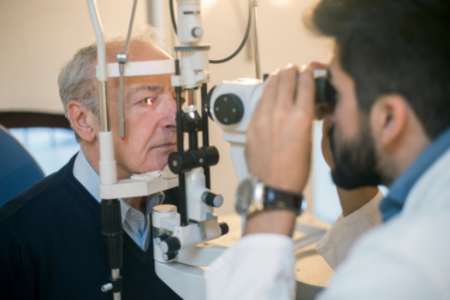
- A slit-lamp examination is a painless way to look inside the eye with magnification to detect any abnormalities
- A visual acuity test that uses an eye chart to see how well you can read from a distance
- Retinal exams dilate the eyes with drops so the doctor can easily see the very back of the eyes to check for signs of cataracts
If your doctor finds that cataracts are forming, don’t worry, there are treatments that can help.
What Are the Treatments for Cataracts?

Cataracts will eventually lead to blindness, and surgery is still the best treatment to prevent this from occurring. Your doctor may decide to begin your treatment with a non-invasive approach such as adjusting your prescription lenses to improve your vision until that no longer works. The doctor may also suggest some lifestyle changes, but ultimately, surgery will be the only option that will fully remove the cataract.
Cataract surgery is an outpatient procedure with a very high success and low complication rate. During cataract surgery, which is done under a local anesthetic, the doctor carefully removes the clouded lens of the eye and replaces it with a clear artificial lens (an intraocular lens). Healing occurs quickly over a few weeks. If you have cataracts in both eyes, you’ll undergo surgery on one eye first and then return later on to complete the process.
The experienced, trusted team at Kendall Eye Specialists can help keep your eyes healthy for all the stages of your life. Call on us today to schedule your next eye check-up.