
How Do I Pick the Right Eye Doctor?


Take a second to think about all you do that depends on your vision. Without the ability to take good care of your eyes, your daily life would be impacted pretty severely, wouldn’t it? If you’ve been struggling with your eyes or just want to be sure they stay healthy as you age, you’ve come to the right place. 

With the huge number of eye doctors out there, how in the world will you choose the one you can trust above all others? How can you even know the type of eye doctor you need, whether an optometrist, an ophthalmologist, or just an optician? This blog can help you navigate these questions about finding the right eye doctor.

What Kind of Eye Doctor Do You Need?

An eye doctor is a physician who specializes in the care of your vision, and there are three primary types:

  • Optometrists
  • Ophthalmologists
  • Opticians 


Out of the three types, only the optician isn’t a doctor. Opticians are professionally trained in fitting contacts or glasses. The other two, however, are medical specialties, but it can be tricky to know how they differ. So, what are the differences between an optometrist and an ophthalmologist?

Optometrists are like primary care specialists for the eye. These professionals have a doctor of optometry degree and many receive additional clinical training in how to care for patients. These doctors can:

  • Conduct eye exams and vision testing
  • Observe and treat medical eye conditions such as glaucoma or dry eye
  • Offer vision therapy or low-vision aids
  • Prescribe corrective lenses


When there is a medical condition affecting the eyes, your optometrist may refer you to an ophthalmologist who specializes in eye diseases. 

Ophthalmologists go to medical school followed by an internship and residency where they provide hands-on care to patients under the supervision of an experienced clinical care team. Ophthalmologists can provide everything your optometrist can provide, but can also:

  • Diagnose and treat serious eye conditions
  • Perform plastic surgery to treat conditions such as droopy eyelids
  • Provide surgical eye care for diseases such as glaucoma or cataracts
 

How Can You Find the Right Eye Doctor?

The first step in finding the right eye doctor is understanding whether you need an optometrist or ophthalmologist. Knowing their particular areas of expertise will help you narrow your search. However, there may be other questions you want to ask as well.

Seek Out Recommendations

Start with recommendations from your family and friends. Consider who you know that wears contacts or glasses and ask them who they use for their primary eye care.

Look Up Who Is in Your Area

Make sure you search in locations that are a convenient distance from your home or work. You don’t want to have to travel for an hour to get a basic eye exam. However, if you’re searching for an eye specialist for something that’s threatening your vision, you may be willing or able to travel more just to be sure you’re getting the best and most experienced doctor.

Find Out Who Is in Network

If you have vision insurance, you can check with your provider to obtain a list of doctors who are covered under your plan.

Read Online Reviews

Another option is to look online at medical reviews. The chances are high that you use online reviews for your restaurant choices, but you can also read reviews on optometrists and ophthalmologists on sites like Google, as well. Finding out what other patients have to say about their experience at a doctor is a great way to research your selection.

Research the Doctor’s Qualifications

Next, look at the websites of the practices you are considering. What kind of training did the doctor receive? A degree from a top school is important. Does the doctor have reviews from their patients? Qualifications matter, but you should also consider the bedside manner of the doctor you’re seeing. This requires just a little more leg work to understand how you’ll be treated at the practice.

What Should You Do to Schedule an Appointment With an Eye Doctor?
how do i pick the right eye doctor

After you’ve narrowed your search to your top few choices, consider calling the office of these practices. While this may seem time-consuming, the health of your eyes is worth the effort.

If you don’t have vision insurance, calling the practice to find out the cost of the basic preventative eye exam could save you money. High quality care is important but you don’t want to be hit with an exam fee that you can’t afford, either.

When you call the practice, the first question you should ask them is whether they are taking new patients. As they answer you, pay attention to the kind of customer service you receive. Take note of things like:

  • Are you on hold for a long period?
  • Do you feel like the experience is positive?
  • Is the receptionist kind and able to answer all of your questions?
  • Is the practice open at convenient times for your schedule?


Your goal is to look for a patient-centric, local practice with a skilled provider that won’t break the bank.

Once you’ve done your research and selected your doctor, the real test comes when you actually visit the practice to receive your exam.

What Should You Expect During Your Eye Doctor Appointment?

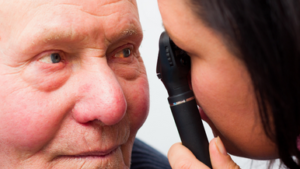
Your first visit at a new eye doctor should consist of a vision and medical history as well as an eye exam. Some of the typical vision tests administered during your exam should include:

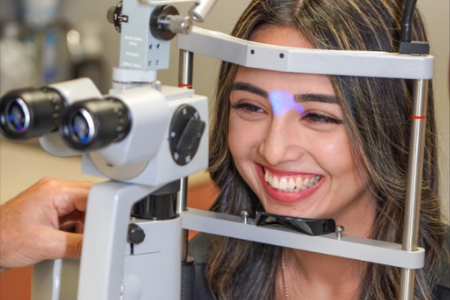
  • A biomicroscope test that lights the front of your eye to check for problems
  • A cover test to check the vision and functionality of each individual eye
  • A glaucoma test to check for this disease which is a leading cause of blindness
  • A muscle movement test to check the alignment of your eyes
  • A pupil reaction test to be sure your eyes can adjust to light
  • A refraction test that tries out different prescription lenses to improve your eyesight
  • A retinal exam that dilates your eye so the doctor can examine the back of your eye
  • A visual acuity test where you read an eye chart
  • A visual field test to check your peripheral vision
 

Throughout these tests consider how you’re being treated. Are you comfortable during the process? Is the doctor able to answer your questions?

At Kendall Eye Specialists, we pride ourselves in being the kind, welcoming, and knowledgeable team that you need to take care of your eye health. We help patients like you protect their vision through all stages of life. Talk with us to find out why we are the best choice for a lifetime of good quality primary eye care.

Related Posts

Schedule a Consultation